
 English
 Español
Choosing a smart digital LED screen air fryer with preset program is not just about following a trend. It is about deciding how much control and convenience you want from a countertop appliance that you will likely use several times a week. If you have ever wondered why some digital air fryers produce consistently crisp fries while others leave food unevenly cooked, the answer usually comes down to the control system, the sensor accuracy, and the quality of the preset programs. This article explains what a smart digital LED screen air fryer actually does, how preset programs work, what specifications matter, and what you should evaluate before adding one to your product line or your kitchen.
What Defines a Smart Digital LED Screen Air Fryer
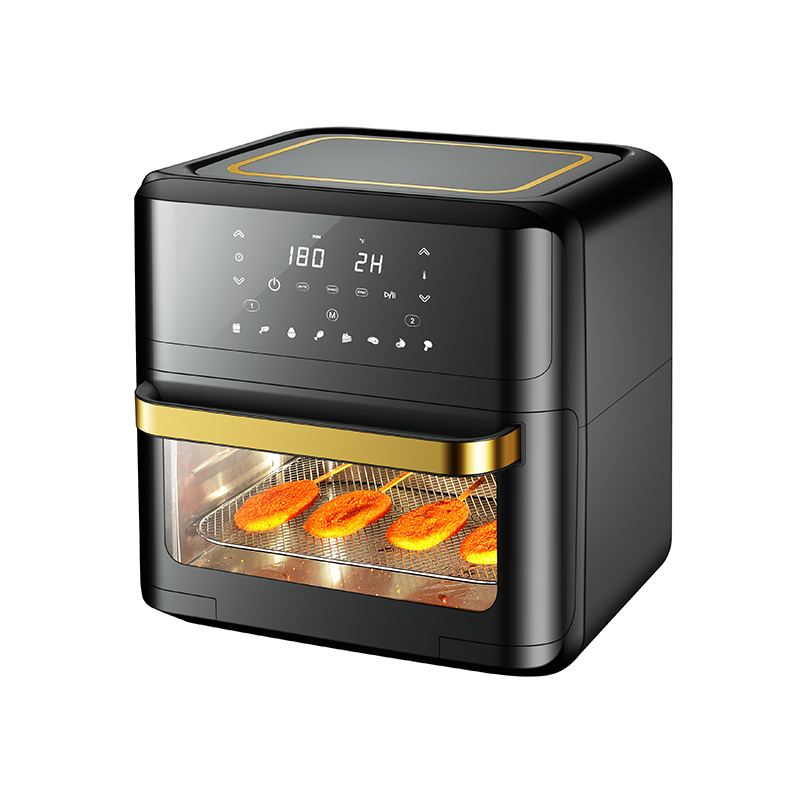
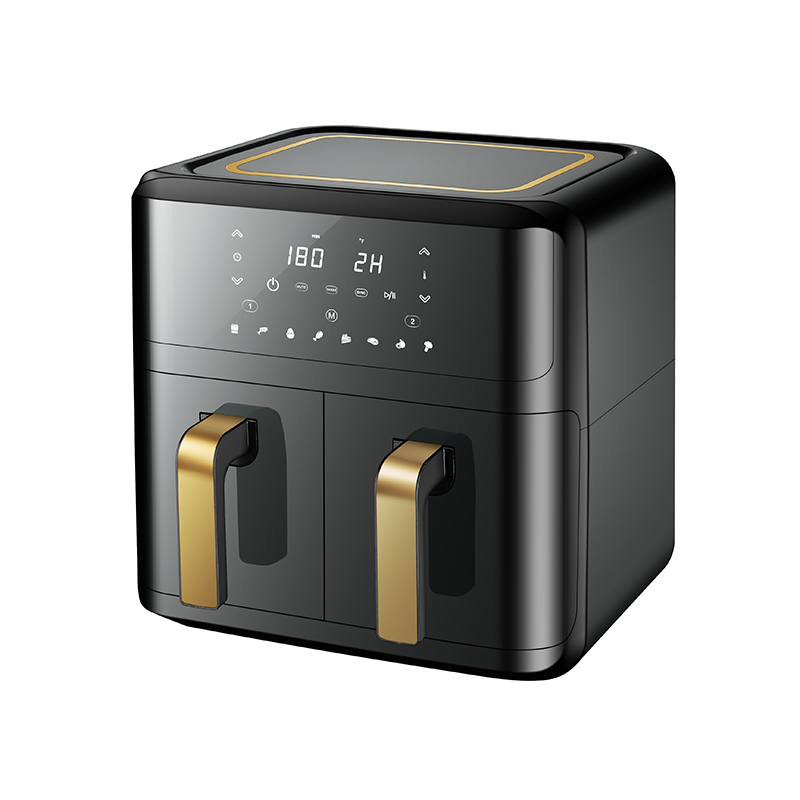
A smart digital LED screen air fryer is a countertop cooking appliance that uses rapid hot air circulation to cook food with little or no oil. The "smart digital" part refers to the electronic control board that manages temperature, time, and cooking stages. The LED screen displays the current settings, allowing you to select a preset program, adjust temperature, or change the timer with a touch or a dial.
Unlike a manual air fryer with simple knobs, a digital model can maintain a more precise temperature range and can execute a multi-stage cooking sequence automatically. For example, a preset program for frozen french fries might start with a high-temperature blast to create a crispy exterior, then reduce the temperature to ensure the inside is fully cooked without burning the outside. This kind of sequenced cooking is difficult to achieve with a mechanical timer and a fixed temperature knob.
The Role of the LED Screen
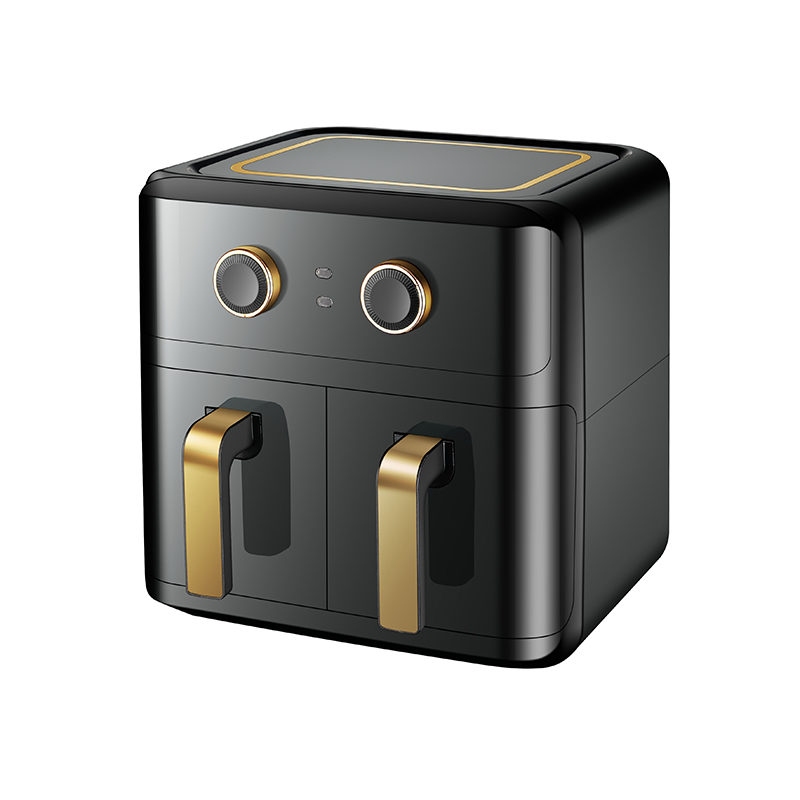
The LED screen is the main interface between you and the cooking process. On a well-designed smart digital air fryer, the screen should be easy to read from a standing position, bright enough to see in daylight, and responsive to touches or dial rotations. Some models use a full touchscreen interface, while others combine a smaller LED display with a physical dial or buttons. The best approach depends on the user. A touchscreen offers more flexibility for displaying multiple preset programs and settings, while a dial-and-button layout can be more reliable in a busy kitchen because it is easier to operate with wet or oily hands.
From a manufacturing perspective, an LED screen also reduces the number of moving parts compared to mechanical switches and potentiometers. Fewer moving parts can mean fewer failure points, which is one reason why digital air fryers often have a longer control-system lifespan than manual models.
What "Preset Program" Really Means
A preset program is a preconfigured cooking routine stored in the air fryer's control firmware. It combines a specific temperature curve, cooking time, and sometimes a fan-speed profile. When you select a preset, the air fryer does not simply heat to a fixed temperature and count down. It follows a sequence designed for a particular food type.
For example, a preset for chicken wings might include a preheat phase, a high-temperature cooking phase, and a final crisping phase. A preset for fish might use a lower temperature and a shorter cooking time to avoid drying out the flesh. The quality of these programs depends heavily on the manufacturer's testing during product development. A factory that actually cooks food repeatedly in its own test kitchen will generally produce better presets than one that simply writes approximate values into the firmware.
Differences Between Digital and Smart Features
Some air fryers are digital but not truly smart. A digital air fryer might have an LED screen and touch buttons, but still require you to manually set temperature and time for each batch. A smart air fryer typically offers one or more of the following:
- Automated preset programs for common foods such as fries, chicken, fish, steak, vegetables, and baked goods
- Temperature sensors that adjust cooking time based on the amount or thickness of food
- App connectivity or voice control through a home assistant
- Multi-stage cooking sequences that change temperature automatically during one cycle
For most practical purposes, the preset programs and the accuracy of temperature control matter more than internet connectivity. A well-calibrated standalone smart air fryer with good presets will deliver better results than an app-connected model with unreliable temperature management.
Key Point
The primary value of a smart digital LED screen air fryer with preset program is not the screen itself. It is the combination of precise temperature control, automated cooking sequences, and a user-friendly interface that reduces the risk of undercooked or burnt food.
Why Preset Programs Matter for Cooking Consistency
The main reason preset programs exist is to remove guesswork. Cooking with an air fryer is fundamentally different from cooking in a conventional oven because the hot air circulates much faster. A recipe developed for a regular oven may not translate directly to an air fryer. The cooking time can be 20 to 30 percent shorter, and the optimal temperature can be 10 to 20 degrees Celsius lower. Without a preset program, you need to figure out these adjustments on your own.
A well-designed preset program solves this problem by encoding the correct temperature and time parameters for a specific food. It also accounts for the air fryer's own heating power and air circulation characteristics, which vary from model to model. This is why the same recipe can produce different results in two different air fryers. A preset program that was tested on the actual machine will always be more reliable than a generic recipe found online.
How Multi-Stage Cooking Improves Texture
Many people assume that air frying is a single-step process: set a temperature, cook for a set time, and done. In practice, the best air-fried food often requires a multi-stage cooking profile. Consider homemade fries:
- The first stage uses a lower temperature to cook the potato through without browning it too quickly.
- The second stage uses a higher temperature to crisp the surface and create a golden color.
- A final resting stage, if properly programmed, allows moisture to redistribute so the fries do not become soggy.
A smart digital air fryer with well-written preset programs can execute these stages automatically. A manual air fryer cannot, because you would need to stand by and adjust the dial at the right moments. This multi-stage capability is one of the strongest engineering arguments for choosing a smart digital model.
Temperature Accuracy and Its Impact on Results
Temperature accuracy is one of the most underappreciated specifications in an air fryer. A difference of 10 degrees Celsius can mean the difference between a golden-brown exterior and a burnt one, especially for foods with high sugar content. Manual air fryers with bimetallic thermostats often have a temperature tolerance of plus or minus 15 degrees or more. Digital air fryers can maintain a much tighter range, sometimes plus or minus 5 degrees, because they use electronic temperature sensors and a microcontroller to regulate the heating element.
For commercial buyers, temperature accuracy is not just a quality issue. It affects consistency across units in the same order. If you purchase a batch of smart digital air fryers, you want every unit to cook the same way. A manufacturer that uses calibrated digital controls and tests each unit before shipping will provide a more consistent product than one that simply assembles components without verification.
Comparing Smart Digital Air Fryers with Manual Models
To understand the value of a smart digital LED screen air fryer with preset program, it helps to see a direct comparison with manual models. The table below outlines the main differences in usability, cooking accuracy, and long-term reliability.
| Feature | Smart Digital LED Screen | Manual Knob Control |
|---|---|---|
| Temperature control | Electronic sensor with tighter tolerance | Bimetallic thermostat with wider tolerance |
| Cooking presets | Multiple food-specific programs available | No presets, requires manual setting |
| Multi-stage cooking | Can execute automatic temperature changes | Not available, unless you adjust manually |
| Ease of use | Select a preset and start | Set time and temperature yourself |
| User feedback | Clear display of temperature and remaining time | Basic markings on a dial |
| Component durability | Fewer moving parts, no potentiometer wear | Knobs can loosen or fail over time |
| Manufacturing cost | Higher due to PCB and display | Lower, simpler assembly |
| Repair complexity | Main board replacement may be required | Simple component replacement |
The tradeoff is clear. Smart digital air fryers cost more to manufacture and can be more expensive to repair if the main control board fails. Manual air fryers are simpler and cheaper to service. However, for users who want consistent results without having to calculate cooking parameters for every food type, the smart digital category offers a significantly better user experience.
Core Features to Look for in a Smart Digital LED Air Fryer
Not all smart digital air fryers are created equal. When evaluating a model, either for personal use or for a private-label project, you should look at specific features that directly affect cooking quality and reliability.
Heating Power and Air Circulation
The heating element and the fan are the two components that actually cook the food. A typical 3.5L air fryer has a power rating between 1200W and 1500W. Larger capacities require more power to maintain consistent temperature. The fan design determines how evenly the hot air is distributed across the cooking basket. Look for models with a well-designed air duct that directs air downward and around the food, not just across the top.
In our production experience, the shape and position of the heating element matter as much as the wattage. A spiral heating element that surrounds the fan can heat the air more evenly than a straight element placed along one side. If you are sourcing air fryers, ask the factory about the air duct design and whether they measure browning consistency during quality control.
Number and Quality of Preset Programs
A higher number of presets does not automatically mean a better product. A model with eight well-tested preset programs is often more useful than one with twelve presets that simply vary the same temperature and time values. The key question is whether the presets were developed through actual cooking tests. Some factories write preset values based on generic guidelines, which can result in overcooked or undercooked food.
Good preset programs should cover the most common air-fried foods: french fries, chicken wings, fish fillets, steak, shrimp, frozen snacks, vegetables, and baked goods. Some digital air fryers also include a dehydration preset for making dried fruit or jerky, and a reheat preset that uses a lower temperature to warm leftovers without drying them out.
Temperature Range and Timer Flexibility
A standard smart digital air fryer offers a temperature range of 80°C to 200°C, with some models reaching 220°C for extra crisping. The timer can usually be set from 1 to 60 minutes. For commercial or high-end retail products, a wider range is preferable. A minimum temperature of 60°C is useful for dehydrating, while a maximum of 220°C helps achieve a better crust on meats.
The timer resolution also matters. Some air fryers only allow adjustments in 5-minute increments, which is too coarse for foods like fish fillets that may need only 8 to 10 minutes. Look for a timer that allows 1-minute adjustments, or at least 30-second adjustments for shorter cooking cycles.
Ease of Cleaning
Cleaning an air fryer is often the most tedious part of ownership. The cooking basket and the crisper plate should be removable and ideally dishwasher-safe. The interior coatings should be food-grade nonstick, typically PTFE-based or a ceramic coating that is free of PFAS. A detachable basket with a cool-touch handle is easier to handle immediately after cooking.
From a hygiene perspective, pay attention to the gap between the basket and the heating element. Any food residue that falls below the basket will burn and produce smoke during the next use. A well-designed air fryer should allow easy access to this area for wiping, or have a drip tray that catches excess oil and crumbs.
Safety Certifications and Material Compliance
If you are sourcing air fryers for international markets, safety certifications are non-negotiable. For Europe, look for CE, GS, RoHS, and REACH compliance. For North America, UL or ETL certification is typically required by major retailers. In addition to electrical safety, pay attention to food-contact material regulations. The basket and crisper plate should be made from materials that comply with EU or FDA food-contact standards.
The heating element and the internal wiring should also be properly insulated and spaced away from plastic components. Some budget air fryers use lower-grade plastics near the heating area, which can degrade or emit odors over time. A reputable manufacturer should be able to provide documentation for all materials and certifications.
How Preset Programs Are Developed in Manufacturing
For buyers who are working with a manufacturer on a custom air fryer project, understanding the preset-program development process is critical. This is one of the areas where experienced factories differentiate themselves from basic assembly operations.
The Testing Process
Developing a reliable preset program starts in the test kitchen. The food is weighed, prepared in a consistent way, and cooked at various temperature settings. The quality is evaluated based on multiple criteria: internal doneness, surface browning, texture, and moisture loss. Once an optimal cooking profile is identified, it is converted into a set of firmware parameters, including the target temperature, the cooking time, and any staged temperature changes.
The preset is then tested again on multiple production units to verify consistency. This step is important because every air fryer has minor manufacturing tolerances. Heating elements vary slightly in resistance, and fans vary in their exact RPM. A good preset program must work within these tolerances and still produce acceptable results.
Firmware Updates and Customization
One advantage of digital air fryers is that the firmware can be updated or customized during production. A factory with in-house firmware development can adjust preset parameters according to a buyer's request, for example, creating a preset that matches the typical cooking preferences of a specific region. European buyers might prefer crispier textures, while some Asian markets prefer softer interiors for certain foods. This level of customization is not possible with manual air fryers.
For private-label buyers, ask the factory whether they can modify the preset names or the language displayed on the LED screen. Some factories charge extra for customizing the user interface, while others include it as a standard service. Knowing this in advance helps with budgeting and timeline planning.
Smart Connectivity and App Control: Useful or Overhyped
Some smart air fryers offer Wi-Fi or Bluetooth connectivity, allowing you to control the appliance from a smartphone app or a voice assistant. This feature was highlighted in recent product roundups, including videos covering app-controlled air fryers that "actually work." The question is whether app control adds enough value to justify the higher cost.
In a factory context, we see three practical benefits of app connectivity:
- Notifications: You can leave the kitchen and receive an alert when the cooking cycle is complete.
- Remote monitoring: You can check the remaining time or temperature from another room.
- Custom recipes: Some apps allow you to adjust preset parameters and save them as custom programs.
The limitations are also real. App control requires a stable home network and adds complexity to the user interface. For an older user or someone who just wants to press a button and cook, the app can feel like an unnecessary complication. The latency between pressing a button on your phone and seeing the air fryer respond can also be noticeable.
Our position, based on manufacturing experience, is that app connectivity should be considered a bonus feature, not a primary differentiator. The core cooking quality still depends on the heating system, airflow, and preset programs. If you are choosing between a model with app control and a model with better temperature accuracy at the same price, choose the latter.
Who Should Buy a Smart Digital LED Air Fryer
The decision to purchase a smart digital LED screen air fryer with preset program depends on the user's cooking habits and expectations.
Best Fit for General Consumers
This category is well suited for individuals and families who cook regularly but do not want to spend time calculating the exact time and temperature for every food. A parent preparing after-school snacks, a busy professional reheating leftovers, or a household that cooks frozen items several times a week will all benefit from preset programs. The LED screen makes it easy to verify the selected program before starting, which reduces the chance of errors.
Best Fit for Retailers and Distributors
For retailers and distributors, offering smart digital air fryers is almost necessary for a complete product catalog. The "smart digital" features are strong selling points that justify a higher price point. Customers browsing online are specifically searching for models with LED screens and preset programs, so a retailer that only carries manual models may lose those potential sales.
Wholesale buyers should pay particular attention to supply consistency and certification documentation. Leading factories that produce smart digital air fryers at scale will have established quality control processes and the necessary compliance certificates. This reduces the risk of receiving a batch with inconsistent performance or missing documentation.
Considerations for Commercial Kitchens
Commercial kitchens have different requirements. A restaurant or a food truck needs equipment that can handle continuous use and deliver predictable results. In this setting, a smart digital air fryer can be valuable for training new staff, because preset programs standardize the cooking process. However, the capacity of a typical countertop air fryer, usually 3 to 6 liters, may be too small for high-volume operations. In such cases, a larger air fryer oven or a commercial air fryer with industrial components would be more suitable.
Practical Buying Considerations
When you are ready to evaluate a specific smart digital air fryer, there are several practical things to check that are not always visible in marketing materials.
Real-World Capacity
The nominal capacity of an air fryer is measured in liters, but the actual usable capacity is always smaller. The basket cannot be filled to the rim because the hot air needs room to circulate. Most manufacturers recommend filling the basket to 70 to 80 percent of its stated capacity. For a 3.5L air fryer, that means you can cook roughly 400 to 500 grams of fries in a single batch, enough for two to three people. If you regularly cook for four or more people, a 5L or 6L model will be much more practical.
Noise Level
Digital air fryers with high-power fans can be surprisingly loud. The noise comes from the fan motor and the airflow passing through the air duct. While the noise level is not usually a deal-breaker, it is worth knowing before you place an air fryer on your kitchen countertop. If you live in a small apartment or plan to use the air fryer early in the morning, a model with a quieter fan design is preferable. Some manufacturers provide noise level specifications in decibels, although this measurement is not standardized across the industry.
Build Quality and Materials
Check the thickness of the plastic housing and the quality of the outer panel. A flimsy cabinet can rattle when the fan operates, which is both annoying and a sign of lower build quality. The LED screen should be well-sealed to prevent moisture from entering the control board. The basket should feel sturdy and slide smoothly into the air fryer body. The nonstick coating should be even and without visible defects.
Warranty and After-Sales Support
Smart digital air fryers have more electronic components than manual models, so the risk of a control board failure is higher. A good warranty policy should cover the main unit for at least one year, and ideally two years for a household appliance. If you are buying wholesale, ask the manufacturer about their replacement parts policy and whether they can supply spare control boards or displays for after-sales service.
How to Get Consistent Results with Preset Programs
Even the best preset program will fail if the basket is overcrowded or if the food is not prepared in a consistent way. Here are some practical guidelines that apply to most smart digital air fryers.
Batch Size and Spacing
Do not fill the basket to the maximum limit. For a 3.5L air fryer, a single layer of food with a small gap between pieces is ideal. When food pieces touch or stack, the hot air cannot reach the surfaces that are in contact, leading to uneven browning. If you need to cook a large amount, plan for two batches instead of one overcrowded batch.
Preparation Consistency
Foods that are similar in size will cook at the same rate. Cut potatoes, vegetables, or meat into roughly uniform pieces so that all pieces finish cooking at the same time. This is especially important for foods that are served directly, such as french fries or chicken chunks. The preset program can manage the temperature and time, but it cannot compensate for wildly different piece sizes.
Handling Frozen Food
Frozen food often benefits from a longer cooking time and a slightly lower temperature to ensure the inside is cooked through. Many smart air fryers have a dedicated preset for frozen items, or you can add two or three additional minutes to the standard preset. Do not preheat the air fryer for frozen food unless the preset program explicitly includes a preheat phase, because the initial low temperature is part of the cooking sequence.
Shaking and Turning
Some digital air fryers have a reminder function that prompts you to shake the basket halfway through the cooking cycle. If your model does not have this, set a timer to shake the basket manually. This is particularly important for foods with high moisture content, such as potato wedges or breaded chicken pieces. Shaking redistributes the food and prevents sticking at the bottom of the basket.
Cleaning and Maintenance for Smart Digital Models
A smart digital air fryer is easy to use, but it still requires regular cleaning. The electronic components and the cooking basket should be handled differently.
Cleaning the Cooking Basket
The basket and crisper plate are usually the only parts that come into direct contact with food. Clean them after every use to prevent oil buildup and food residue from becoming baked on. Most modern air fryers have nonstick baskets that can be washed with warm soapy water or placed in a dishwasher. If washing by hand, use a soft sponge and avoid abrasive cleaners that can scratch the nonstick coating.
Cleaning the Interior Chamber
The interior of the air fryer, including the heating element and the fan, collects airborne oil and residue over time. Turning the air fryer upside down can make it easier to wipe the interior. Use a damp cloth or a soft brush to remove deposits from the heating element, but do not push hard because the element can be fragile. Allow the interior to dry completely before closing the basket.
Protecting the LED Screen and Control Panel
The LED screen and control panel should be wiped with a soft, dry cloth. Avoid applying any cleaning solution directly onto the panel, as liquid can seep into the gaps and damage the electronics. For stubborn smudges, lightly dampen the cloth and wipe gently. Never immerse the air fryer body in water.
Descaling and Odor Control
Air fryers do not accumulate limescale like steamers, but they can develop an unpleasant smell if the interior is not cleaned regularly. A mixture of white vinegar and water can be used to wipe the interior and neutralize odors. Run the air fryer at high temperature for three to five minutes with an empty basket to burn off any residual film from the cleaning solution, then wipe again with a clean cloth.
Common Mistakes When Using Preset Programs
Preset programs simplify cooking, but they are not completely hands-off. There are several mistakes that we see frequently, both in consumer reviews and in our own testing.
Ignoring the Preheat Requirement
Some digital air fryers require a preheat phase before cooking begins. If the preset program includes a preheat step, placing cold food into the basket before the preheat completes will extend the total cooking time and may affect the results. Read the user manual to understand whether your model needs preheating for each preset program.
Overusing Extra Time
A common habit is to add extra minutes to a preset program "just to be safe." This often results in overcooked food. The preset was developed through testing, and adding too much extra time can dry out the food. If the food looks slightly undercooked when the program ends, add two minutes and check again, rather than adding five or ten minutes upfront.
Not Adjusting for Altitude
Altitude affects the boiling point of water and therefore the cooking time and temperature that are ideal for certain foods. In high-altitude regions above 1,500 meters, the lower atmospheric pressure means that water boils at a lower temperature. The preset programs on a standard air fryer are calibrated for sea level. If you live at a high altitude, you may need to increase the cooking time slightly or select a slightly higher temperature to compensate.
Using the Wrong Cooking Mode
Some digital air fryers offer separate modes such as air fry, roast, bake, and dehydrate. These modes differ in how the heating element and fan operate. A preset labeled "fries" should not be used for baking a cake, and a "bake" preset may not produce crispy results for chicken wings. Pay attention to the mode that corresponds to each preset and use the appropriate one for the food you are cooking.
Smart Digital Air Fryers and Household Safety
Safety is a legitimate concern with any high-power countertop appliance. The risk of fire or injury depends largely on the quality of the internal components and the design of the safety systems.
Overheating Protection
A smart digital air fryer should have an overheating protection mechanism that cuts power if the internal temperature exceeds a safe limit. This is typically achieved with a thermal fuse or a temperature sensor connected to the control board. The control board then shuts off the heating element if the temperature reads outside the expected range. When evaluating a model, check whether the manufacturer provides information about the specific protection mechanisms used.
Automatic Shut-Off
All reputable air fryers should turn off automatically when the basket is removed. The same safety shut-off should also activate if the timer completes or if the internal temperature becomes too high. These are standard safety features among established Chinese manufacturers, but the exact implementation varies.
Food-Grade Materials
The materials that come into contact with food are as important as the electrical safety. The basket and the crisper plate should be free of heavy metals and should not release harmful substances when heated. Reputable factories test their food-contact materials according to LFGB, FDA, or EU regulations. When buying from a supplier, always request the food-contact certificates for the specific model you are purchasing.
Placement and Ventilation Requirements
With a 1200W to 1500W heating element, an air fryer generates significant heat. The appliance requires at least 10 centimeters of clearance on all sides for proper ventilation. Operating the air fryer with insufficient airflow can cause the plastic housing to warp and may shorten the lifespan of the internal components. These requirements are usually stated in the user manual, but many users overlook them.
What to Check Before Purchasing for Your Business
If you are a wholesaler, retailer, or brand owner evaluating a smart digital air fryer for distribution, you should look beyond the marketing features and examine the product's readiness for your target market.
Voltage and Plug Type
Different markets use different voltages and plug standards. Europe operates at 220-240V with Type C, E, or F plugs. North America operates at 110-120V with Type A or B plugs. A smart digital air fryer designed for one voltage will not work correctly in another without a proper converter. Confirm that the factory offers the correct power configuration for your market.
Language and Units
Some markets use Fahrenheit, while others use Celsius. The LED screen and the user manual should be configured for your target language and unit system. Check whether the firmware supports multiple languages or whether each market requires a separate firmware version. This can affect your minimum order quantity and lead time.
Packaging Requirements
Retail packaging is a key selling point, especially for kitchen appliances. The factory may offer standard retail boxes, or you may need custom packaging for your brand. Ensure that the packaging is sturdy enough to protect the LED screen and the control panel during shipping. This is particularly important for e-commerce sales, where the outer box may be subjected to rough handling.
Minimum Order Quantities
Smart digital air fryers have a longer production cycle than manual models because of the electronic components and firmware configuration. For a custom model, the minimum order quantity is often higher, often 500 to 1,000 units for a standard configuration, and higher for a fully customized product. Discuss the MOQ with the factory early in the process to align expectations.
Cost Analysis: Are Smart Digital Air Fryers Worth the Higher Price
The retail price of a smart digital air fryer is typically 30 to 50 percent higher than a manual model with the same capacity. This premium comes from the LED screen, the control board, the firmware development, and the additional quality control steps required for electronic components.
From a consumer perspective, the higher price is justified if the preset programs and temperature accuracy deliver a measurably better cooking experience. For users who cook simple foods like fries or chicken nuggets, a manual air fryer may be sufficient. For users who cook a wider variety of foods, or who struggle to get consistent results, the digital upgrade is worth the cost.
From a manufacturing perspective, the additional cost of the electronics is offset by the higher perceived value of the product. A warehouse or a retailer can position a smart digital air fryer as a premium item, which supports a higher margin. The better user experience also reduces the number of complaints and returns that come from undercooked food or confusing controls.
Future Trends: What Comes After Preset Programs
The smart digital air fryer category is still evolving. Preset programs were an important step, but they are not the end of the development curve. Several emerging trends are likely to shape the next generation of these appliances.
AI-Enabled Cooking Recognition
Some companies in the broader cooking appliance industry are experimenting with AI-enabled cameras that can recognize the type and amount of food placed in the cooking chamber. The air fryer would then automatically choose the optimal cooking profile. While this is not yet a mainstream feature in the air fryer segment, it is technically feasible. The challenge is the cost of the camera module and the reliability of image recognition under different lighting conditions and food appearances.
Integration with Health-Monitoring Systems
Smart air fryers are already marketed as a healthier alternative to deep frying. Future models may offer more detailed nutritional information, estimating the calorie and fat content of a meal before and after air frying. This data could be synchronized with a smartphone health app, creating a more complete picture of a user's daily food intake.
Adaptive Cooking Algorithms
Instead of relying solely on factory-tested preset programs, a more advanced system would learn from the user's feedback. For example, if a user consistently adds extra time to the "fries" preset, the air fryer could automatically adjust the default cooking profile over time. This kind of adaptive behavior would make the appliance truly personalized. Whether manufacturers will invest in this level of firmware development depends on consumer willingness to pay and the speed of hardware replacement cycles.
Frequently Asked Questions
This section addresses the questions we most often hear from retail buyers, distributors, and end users about smart digital LED screen air fryers.
What is the difference between an LED screen and a touchscreen air fryer?
An LED screen is a display that shows numbers and symbols using light-emitting diodes. It can be paired with physical buttons or a dial for control. A touchscreen allows you to select settings directly by pressing the display. Touchscreens look more advanced but can be harder to use with wet hands. In terms of cooking quality, there is no inherent difference between the two.
Are preset programs accurate across different brands?
No, preset programs are not standardized across brands. Each manufacturer develops its own preset parameters based on its specific heating system, basket design, and testing. A preset for "chicken" on a 5L air fryer may differ from one on a 3.5L model from another brand. You should always align the preset with the capacity and power of the specific model.
Use preset programs or manual settings for best results?
Preset programs are designed to give the optimal result for a standard batch of food. They are the best starting point. If you prefer more or less browning, or if you are cooking an unusual portion size, the manual mode gives you complete control. In our experience, paying attention to the final two to three minutes of a cooking cycle and comparing the result with the preset's intended outcome is the best way to learn.
What causes the "white spots" on a new basket?
White spots are typically the detergent residue that remains after the first cleaning, or the result of the protective film on the nonstick coating interacting with water. This is a normal condition for new cookware. Washing the basket thoroughly with warm water and a small amount of dish soap, then air-drying it completely, removes the spots.
Why is my air fryer producing smoke during the first use?
Smoke during the first use is common and is caused by the factory-applied protective oil on the heating element and the interior chamber. To eliminate this residue, run the air fryer at a high temperature without food for 10 to 15 minutes. Then wipe the interior with a damp cloth and let it dry before cooking.
App-controlled air fryers are necessary for a smart kitchen?
App control is a convenience feature, not the core function of a smart air fryer. If your kitchen already uses a voice assistant or you prefer to monitor cooking remotely, an app-compatible model might be a good match. If you just want reliable preset programs and an easy-to-read screen, a model without app connectivity will save you money and remove unnecessary complexity.
Conclusion
A smart digital LED screen air fryer with preset program is a genuinely useful kitchen appliance for anyone who cooks frequently, distributes kitchen electronics, or is planning a private-label product line. The value does not come from the screen alone. It comes from the combination of tighter temperature control, automated cooking sequences, and the elimination of guesswork. Preset programs, when developed through real cooking tests and integrated with reliable firmware, deliver results that a manual air fryer simply cannot provide.
The best way to evaluate a smart digital air fryer is to look at the data that actually matters: heating element design, fan efficiency, temperature tolerance, preset program quality, safety certifications, and material reliability. If you are sourcing products for your own brand, asking the right factory questions will protect your supply chain and your reputation. If you are choosing a model for your home kitchen, focus on the features that will help you cook better and avoid the ones that are only marketing support.
Regardless of whether you are a retailer stocking this category or an end-user cooking your next meal, the smart digital LED screen air fryer is a practical upgrade that is likely to stay relevant for years. The preset programs are already mature enough to make everyday cooking more consistent, and the future developments in adaptive cooking algorithms may make them even more valuable.
Additional Resources
Our company, Ningbo Dinghao Electrical Appliances Co., Ltd., has been manufacturing air fryers and electric steamers since entering the kitchen appliance industry in 2020. We operate our own mold center and injection molding facility, which allows us to maintain high quality standards and offer flexible OEM and ODM services. For more information about how digital air fryers use temperature control systems, you can read our article on the principles of digital air fryer control systems. We also offer a practical guide for those considering a digital air fryer for daily kitchen use, and a technical comparison of different air circulation designs.
 +86-0574-58011890