
 English
 Español
Are Air Fryers Healthy? The Short Answer First
You pull a basket of golden, crisp potato wedges from an air fryer after coating them with a teaspoon of oil. Is that genuinely healthy? Yes, for most everyday cooking, air frying is a healthier alternative to deep frying and a practical middle ground between a conventional oven and a fryer. But the health result does not come from the appliance alone. It comes from how the machine cooks, what you put into the basket, how hot the surface reaches, and how long the food stays in the chamber.
An air fryer is essentially a compact convection oven. A heating element, a high-speed fan, and a carefully shaped air duct move hot air around the food at high velocity. That moving air dehydrates the surface, creates the browning reaction people associate with frying, and leaves the interior moist. Because only a thin film of oil is needed, air-fried foods usually contain far less fat than deep-fried foods. Controlled comparisons commonly show a 70 to 80 percent reduction in oil absorption when switching from deep frying to air frying. For someone cooking fries, chicken wings, or breaded fish several times a week, that difference has a real effect on daily calorie and fat intake.
Still, air frying is not automatically healthy. If you cook only heavily processed frozen snacks, eat burnt coatings, or use very high temperatures until food chars, some of the same compounds associated with high-heat cooking can still form. The important question is not only "are air fryers healthy?" but also "are you using an air fryer in a way that keeps the benefits clear?"
How an Air Fryer Cooks Without Deep Frying
Deep frying works by submerging food in oil heated to roughly 160 to 190°C. The oil transfers heat very quickly, drives moisture out of the surface, and produces a crisp crust. The problem is that the food soaks up oil, especially during the first minutes when steam escapes and creates pores in the coating. An air fryer replaces the oil bath with fast-moving hot air. The fan inside the chamber circulates air at several metres per second, allowing heat to reach the food surface evenly and quickly.
The cooking result depends on three physical processes:
- Rapid heat transfer: moving air carries heat to the food surface much faster than still air in a normal oven.
- Surface dehydration: moisture evaporates from the outer layer, which is what makes the crust crisp.
- Maillard browning: proteins and sugars react at temperatures above roughly 140°C, creating the roasted flavour and dark brown colour people expect from fried food.
Because the food is not sitting in oil, the interior does not become oil-soaked. A small amount of oil, usually between 5 and 15 ml, is brushed or sprayed onto the food before cooking. That small quantity is enough to help browning and give a similar mouthfeel to deep frying, but it represents a fraction of the oil that would be absorbed during traditional frying.
The table below compares common cooking methods for the same portion of typical fried food. These are general values for planning meals, not laboratory guarantees for every recipe.
| Cooking method | Oil needed | Calorie change vs. deep frying | Texture result | Acrylamide formation risk |
|---|---|---|---|---|
| Deep frying | Large volume, food absorbs oil | Baseline | Very crisp, crunchy | High, especially above 170°C |
| Air frying | 5 to 15 ml for a full basket | Typically 70 to 80% less absorbed oil | Crisp surface, moist interior | Lower, because less oil and better temperature control |
| Oven baking | Minimal or none | Similar to air frying | Even but slower to crisp | Moderate if cooked at the same temperature |
| Pan frying | Moderate amount | Between deep frying and air frying | Good crust on one side | Moderate, depends on oil smoke point |
What the Research Says About Health Benefits
Less Oil, Fewer Calories
The most direct health benefit of air frying is fat reduction. In deep frying, food can absorb between 10 and 25 percent of its weight in oil. In an air fryer, most of that oil never touches the food. A batch of frozen French fries cooked in a deep fryer may absorb 13 to 15 g of oil per 100 g of fries. The same batch in an air fryer typically absorbs 3 to 5 g. Over a week, this difference can remove several hundred grams of oil from a person's diet.
The chart below shows typical oil absorption levels for frozen fries by cooking method. Exact values vary by brand, coating, and cooking time, but the general pattern is consistent.
Lower Acrylamide Formation
Acrylamide is a compound that forms when starchy foods are cooked at high temperatures, especially above 170°C. Deep frying exposes food to high oil temperatures for long periods, which can increase acrylamide formation. Air frying can reduce this risk because the cooking chamber heats quickly with hot air, and the food surface does not stay in contact with overheated oil. The key is temperature control. A machine that heats beyond the set point or cooks unevenly can still create burnt spots.
Choosing a setting around 180°C, shaking the basket halfway through cooking, and removing food as soon as the surface turns golden are practical ways to keep acrylamide low. This is one of the reasons why air fryers with accurate thermostats and even airflow are better for health-conscious cooking than appliances with large temperature swings.
Better Indoor Air Quality
A lesser-known health benefit involves the kitchen itself. Cooking methods that use high heat and oil can release fine particles and volatile organic compounds into the air. Deep frying and pan frying produce noticeably more cooking-related particles because overheated oil breaks down into airborne droplets. Recent research has shown that air frying produces less indoor air pollution than several other cooking methods, because less oil is heated and the cooking chamber helps contain the fumes. For small apartments and open-plan kitchens, this is a meaningful advantage.
Better Nutrient Retention
Because air frying shortens cooking times and uses lower temperatures than some other methods, it can preserve more heat-sensitive nutrients. Water-soluble vitamins such as vitamin C and some B vitamins are lost more easily with long cooking times in water. Air frying does not boil food in water, so those nutrients are better retained than in boiling or stewing. The same is true for some antioxidants in vegetables. That said, air frying is not the only healthy method; steaming and gentle roasting also preserve nutrients well. The value of the air fryer is that it gives a texture similar to frying, which makes it easier for people to accept a healthier cooking routine.
More detail on how the cooking process affects nutrition can be found in our review of the nutritional health advantages of air-fried food.
The Potential Health Risks and Their Limits
Air fryers are not risk-free, and no reliable source will claim that they are. The risks are related to cooking habits, food choice, and product quality, not to the basic principle of circulating hot air.
Overcooking and Burnt Food
When any food is cooked at very high temperatures until it blackens, the surface can form compounds that are considered potentially harmful. This is true for grilling, pan frying, roasting, and air frying alike. The solution is to avoid eating heavily charred portions and to use the lowest temperature that still gives a crisp result. A viewing window can help here, because it lets you check the food without opening the basket and losing heat.
Processed Foods Can Still Be Unhealthy
An air fryer can make a frozen, heavily coated chicken product crisp, but it does not remove additives, refined flour, or excess salt from the food. The appliance is a cooking tool, not a food filter. If the basket is filled with processed snacks every day, the overall diet will remain unhealthy even though the cooking method is cleaner. Fresh vegetables, lean proteins, and whole foods are still the foundation of healthy air frying.
Food Safety and Materials
Another point often overlooked is the material that touches the food. Low-quality nonstick coatings can scratch, flake, or degrade at high temperatures. When selecting a machine, look for food-grade nonstick coatings, clearly defined temperature limits, and plastic parts that do not come into direct contact with the heating element. BPA-free claims are relevant mainly for plastic baskets and steam-related components, but the same principle applies to the air fryer's internal surfaces.
The Cancer Myth Explained
Some older social media posts claim that air fryers themselves cause cancer because of the materials or the heating process. There is no scientific evidence that the appliance type causes cancer. What science shows is that consuming very high levels of acrylamide and charred food over long periods is associated with increased health risks. That is a cooking-practice issue, not an air fryer issue. Stable temperature control, a clean basket, and reasonable cooking times keep acrylamide formation similar to or lower than other dry-heat cooking methods.
Safety, Heat, and Electrical Design
An air fryer heats a small, enclosed space to high temperatures, so safety design matters. Airflow paths must keep heat away from the outer casing, the handle should stay cool, and the basket latch should prevent accidental spills. Good machines include overheat protection, automatic shut-off, and even heating to reduce hot spots. These features reduce burn risk and also improve cooking consistency, which indirectly helps avoid overcooking. Certifications such as CE, GS, ETL, UL, and RoHS give buyers more confidence that the appliance has been tested for electrical safety and material limits.
Why Air Fryer Design Affects Healthy Cooking
Not every air fryer cooks the same way. The position of the heating element, the shape of the air duct, fan speed, basket depth, and the accuracy of the thermostat all influence whether food browns evenly or develops burnt spots. A poorly designed air fryer can create a situation where the outer edge of a chicken wing is dark before the centre is done. That uneven cooking may push you to increase the time or temperature, which can cause more surface charring.
Good airflow design is the key difference. A quality machine uses a fan that moves air across the entire basket, not just through the centre. The heating element should also be spaced so that radiant heat does not hit one side of the food too directly. When hot air circulates evenly, you can cook at a lower temperature and still get a golden crust. This is one of the reasons the market moved from simple manual air fryers to tools with stronger fans and better duct geometry.
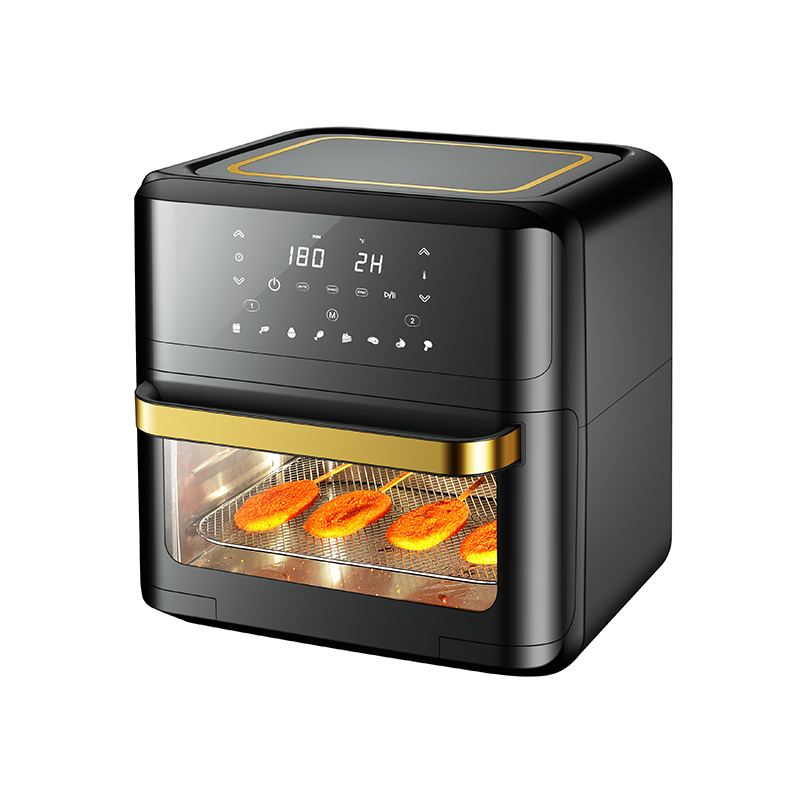
Product choices also affect the result. A digital air fryer with preset programs helps by automatically selecting the recommended time and temperature for items like chicken breast, frozen fries, fish, or vegetables. This removes guesswork and reduces the chance of overcooking. A basket with a viewing window lets you match cooking time to visual colour, which is especially useful when trying a new recipe. A larger air fryer oven style gives more space, so food can lie in a single layer instead of being stacked and steamed.
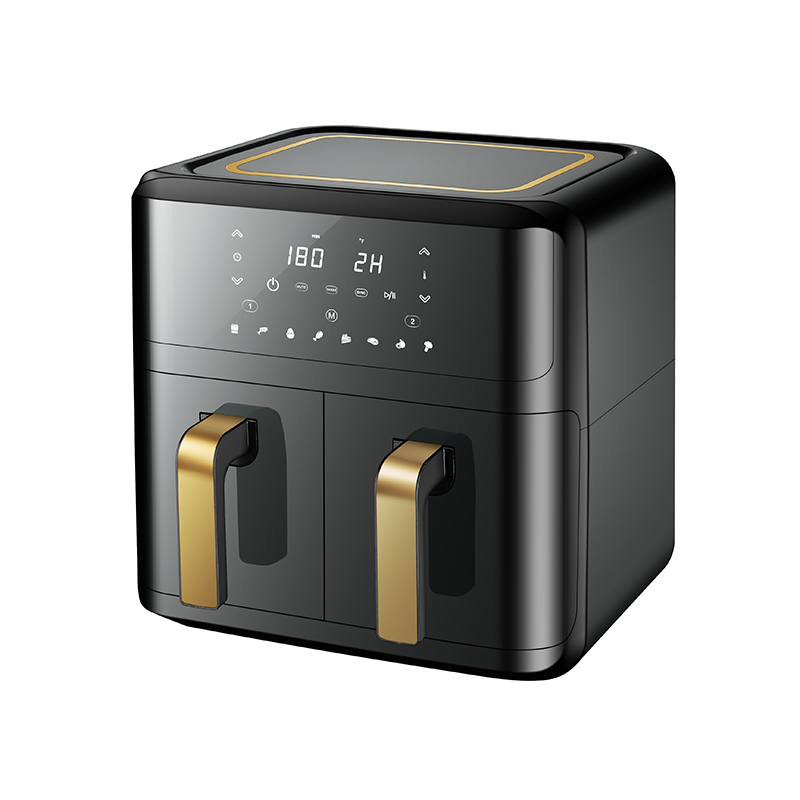
For example, a multifunction digital model with multiple presets works well for households that want reliable temperature control without manually testing every recipe.
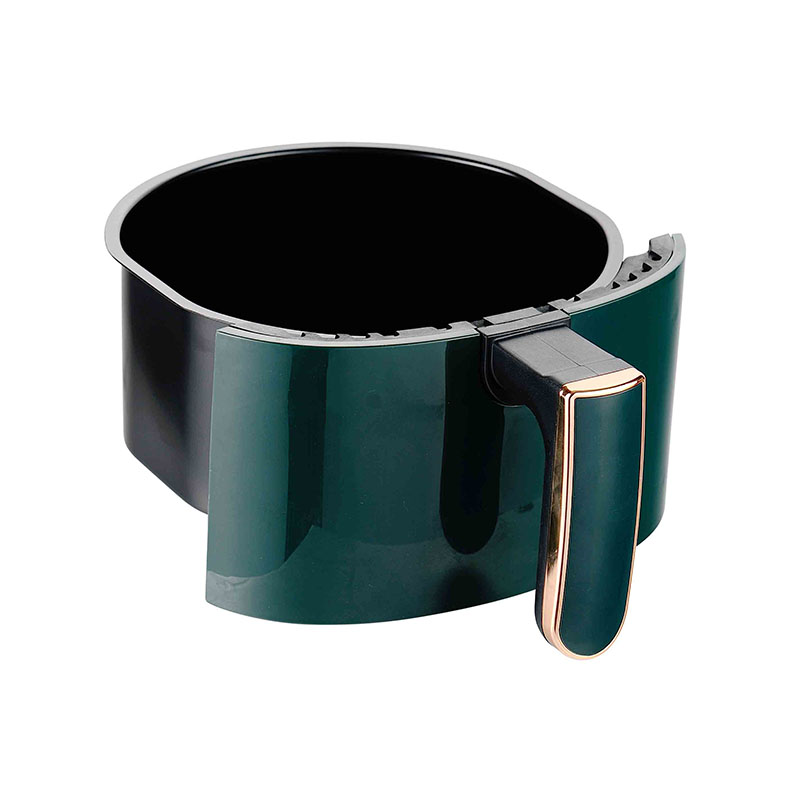 DH-603A Digital Air Fryer with 9 Preset RecipesThis 3.5L digital model offers reliable temperature control and multiple presets, making it a practical choice for households seeking consistent results without manual testing.View Product →
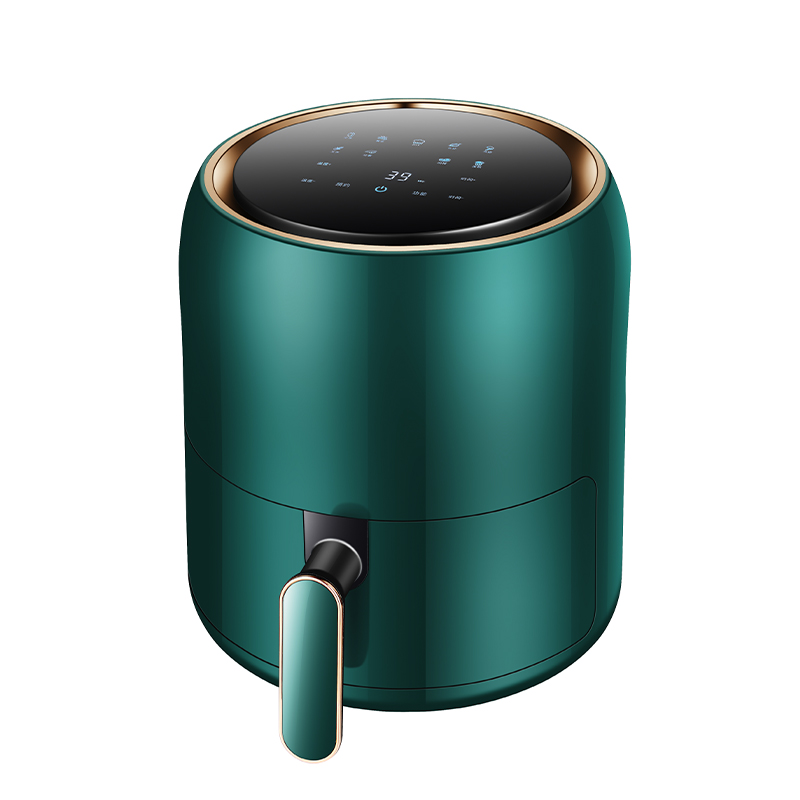
If you need to monitor browning closely, a transparent viewing window is one of the most practical features for avoiding over-darkened surfaces.
 DH-308A Air Fryer with Transparent Viewing WindowA 5L digital air fryer featuring a glass window for monitoring browning, with 8 presets and rapid circulation to ensure even cooking while avoiding over-darkening.View Product →
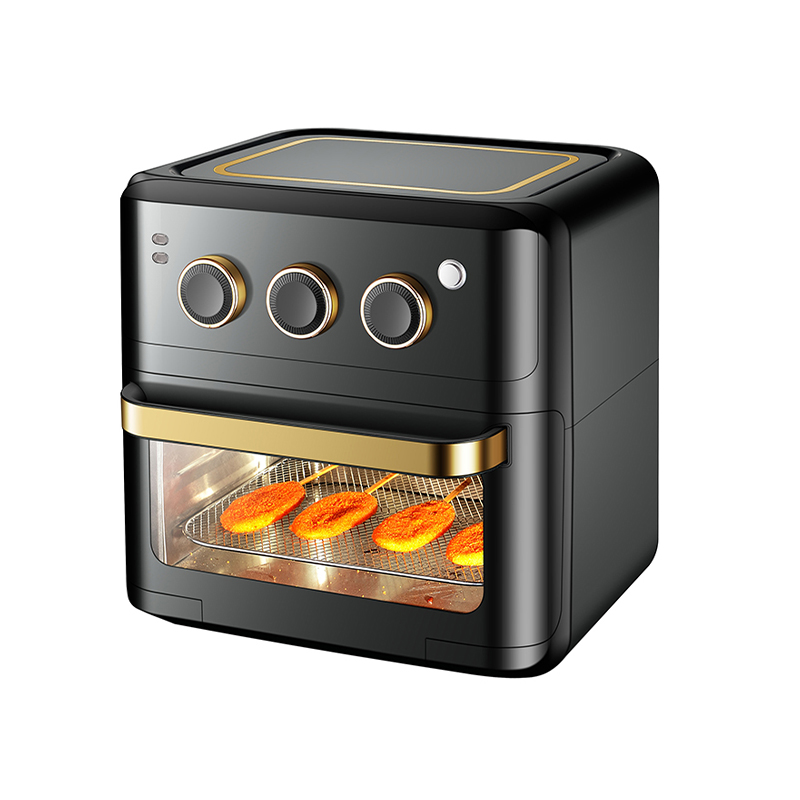
For larger families, an air fryer oven offers a wider cavity and more flexibility, which makes it easier to cook a balanced meal in one batch.
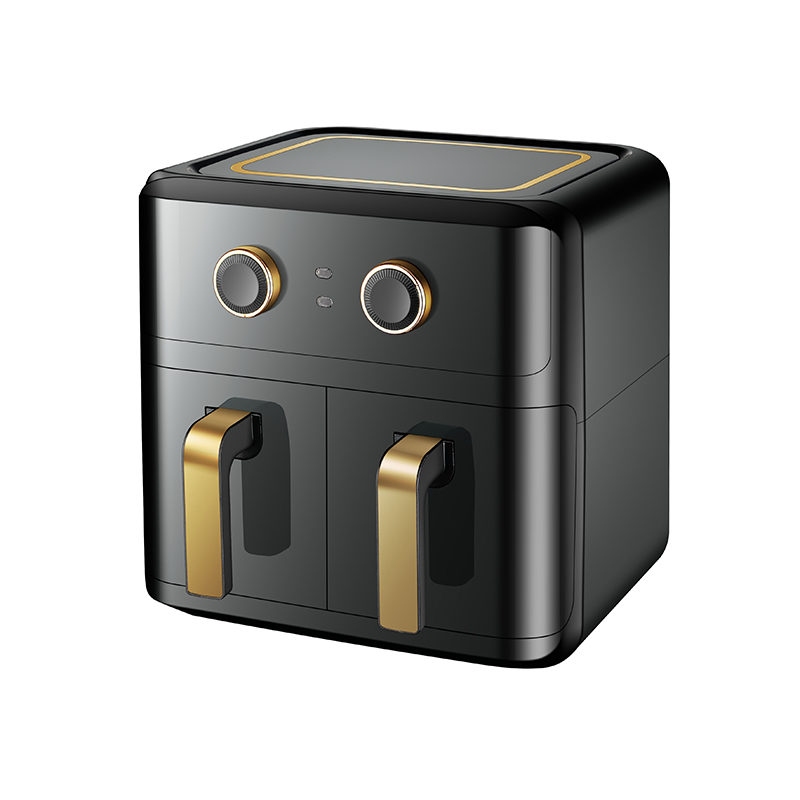 DH-801 Dual-Basket Air Fryer Oven for Large FamiliesWith a 15L cavity and two independent cooking zones, this dual-basket oven offers flexibility for batch meals, while its nonstick surfaces make cleaning easier and healthier.View Product →
Beyond those choices, the material quality of the basket matters. A smooth food-grade nonstick surface lets you release food with less oil and makes the basket easier to clean with warm soapy water. Cleaning is not just a convenience issue; leftover oil and food debris on the heating element can smoke during the next use and produce unpleasant particles. A clean air fryer is a healthier air fryer.
What to Look For When Buying a Health-Focused Air Fryer
When you compare air fryers, start with the features that have a direct impact on nutrition and safety. The table below lists the most useful criteria and explains why they matter.
| Feature | Why it matters for health | What to look for |
|---|---|---|
| Temperature range | Lower temperatures reduce charring and acrylamide formation | Adjustable range from about 80°C to at least 200°C |
| Thermostat accuracy | Even, stable temperature prevents burnt spots | Digital control, clear temperature settings, good insulation |
| Airflow design | Strong, even air circulation cooks food without needing extra heat | High-speed fan, well-placed air vents, even browning reviews |
| Basket capacity | Overfilling causes steaming instead of crispy baking | 3.5 L for singles or couples, 5 to 6 L for families |
| Nonstick coating | Quality coating reduces the oil needed and makes cleaning easier | Food-grade, scratch-resistant material, dishwasher-safe if possible |
| Safety certifications | Indicates electrical safety and material compliance | CE, GS, ETL, UL, RoHS, or similar marks |
| Preset programs | Automatic time and temperature reduce overcooking | At least 6 to 8 presets for meat, fish, fries, and baked items |
| Viewing window | Lets you stop cooking at the right colour | Tempered glass, clear visibility, easy to clean |
Another important buying consideration is the relationship between capacity and cooking behaviour. A small 3 L air fryer is energy efficient and heats fast, but it may not hold enough food for a family. When you overload a small basket, the food stacks and the hot air cannot reach every surface. You then have to cook in batches, which takes longer and may cause you to reach for a quick frying pan instead. A 4.5 to 6 L basket is a more practical size for most households because it allows a single layer of food for standard portions.
Look closely at the temperature control system. A manual knob with a wide temperature range can work well, but mechanical controls are often less precise than digital ones. If consistent healthy cooking is your priority, digital models with numeric temperature and time settings allow you to replicate a successful result next time. Some digital models also include a preheat function. Preheating an empty basket for three to four minutes before adding food helps create an immediate crust and reduces total cooking time.
If you are unsure where to start, browse the full air fryer product range and compare the capacities, control types, and basket designs side by side.
Healthy Cooking Habits That Matter More Than the Appliance
The biggest difference between healthy and unhealthy air fryer meals is not the product itself. It is the cooking routine that surrounds it. The following habits will give you more of the health benefits that air frying can offer.
You can also think of the air fryer as part of a meal system, not a single solution. Pair an air-fried protein with a large salad or steamed vegetables. Use the fryer to prepare a crisp element, and use a separate method for side dishes that cook well with water, such as rice or green beans. This way, the air fryer makes healthy cooking easier without making the whole meal depend on fried textures.
FAQ: Are Air Fryers Healthy?
Are air-fried foods lower in calories than deep-fried foods?
Yes, in most cases. Air-fried foods absorb significantly less oil, so they contain fewer calories from fat. The exact reduction depends on the food type, coating, and cooking time, but the difference is usually meaningful enough to support weight management.
Does an air fryer destroy nutrients?
No more than other high-heat cooking methods, and usually less than boiling. Because air frying is a quick dry-heat method with a short cooking time, it preserves many heat-sensitive vitamins and antioxidants better than boiling in water.
Is it safe to use an air fryer every day?
For normal home use, yes. Most quality air fryers are designed for daily operation. To maintain safety, follow the manufacturer's instructions, keep the appliance clean, avoid leaving it unattended during long cooking cycles, and place it on a heat-resistant surface with clear ventilation.
Can an air fryer cause cancer?
No study shows that the appliance itself causes cancer. Cancer risk related to cooking comes from heat-generated compounds in charred or over-browned foods. The way you set the temperature and the moment you stop cooking have a much bigger influence than the brand or type of cooker.
Should I buy a basket air fryer or an air fryer oven?
Choose a basket air fryer if you cook for one to four people and want fast, compact results. Choose an air fryer oven if you need more space, want to bake larger items, or regularly cook for more than four people. Both can cook with less oil when used correctly.
Do I need to add oil at all?
A very thin layer of oil improves browning, texture, and flavour. You can air fry some foods without oil, but they will have a drier surface. A light spray or brush of oil is still much healthier than deep frying and gives a more satisfying result.
The Bottom Line for Busy Home Cooks
Are air fryers healthy? The honest answer is that they create the conditions for healthier cooking, but they do not guarantee it. Compared with deep frying, an air fryer substantially reduces oil intake, calorie load, and the formation of heat-related compounds. Compared with a conventional oven, it often cooks faster and does a better job of producing a crisp texture. And when you choose a model with accurate temperature control, even airflow, and food-safe materials, you reduce the chance of burning food or exposing it to degraded nonstick surfaces.
The remaining piece is personal. Cooking fresh ingredients, using oil in small amounts, avoiding charred edges, and keeping the appliance clean will maximize the benefits. If you pay attention to those points, an air fryer can become one of the most practical tools in a balanced kitchen.
 +86-0574-58011890